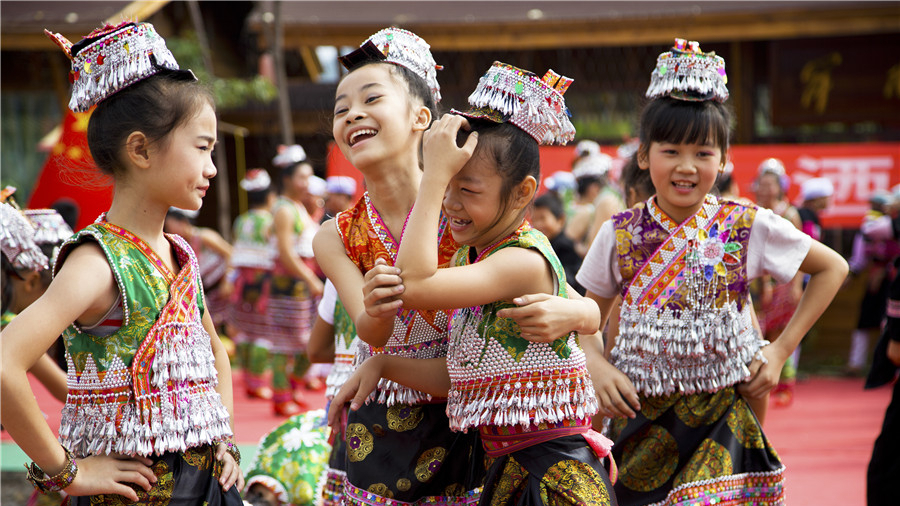
Costume of Dai Ethnic Group
Introduction
The costume of the Dai ethnic group is a vibrant and integral part of their cultural expression, reflecting the group's history, beliefs, and way of life. These costumes are not only worn during daily activities but also play a significant role in various ceremonies and festivals, notably the Water-splashing Festival. The distinctive clothing of the Dai people is characterized by unique designs, vibrant colors, and intricate patterns that symbolize different aspects of their cultural beliefs and social identity.
Characteristics of Dai Traditional Clothing
Fabrics and Materials
The traditional clothing of the Dai ethnic group is crafted from natural materials, which are abundant in the Yunnan region. Silk and cotton are the primary fabrics used, favored for their comfort and breathability in the humid climate of southern China. The process of fabric-making is often intricate, involving traditional weaving techniques that have been passed down through generations. These techniques highlight the skilled craftsmanship of the Dai people and their deep connection to their natural surroundings. The choice of materials not only caters to practical needs but also serves as a medium for artistic expression, as seen in the beautifully woven fabrics.
Colors and Patterns
Dai traditional costumes are renowned for their vibrant and diverse color palette. Bright colors such as red, green, yellow, and blue are commonly used, each carrying specific cultural meanings and symbolisms. For example, red is often associated with happiness and prosperity, while green represents vitality and youth. Patterns and motifs play a critical role in Dai clothing, with designs often inspired by natural elements like flowers, animals, and geometric shapes. These patterns are more than mere decorations; they convey cultural narratives and traditional wisdom, adding layers of meaning to the attire.
Traditional Accessories
Accessories are an essential component of Dai traditional clothing, enhancing its aesthetic appeal and cultural significance. Common accessories include silver jewelry, such as earrings, necklaces, and bracelets, which are believed to bring good fortune and ward off evil spirits. Headgear and belts are also significant, often adorned with intricate embroidery or embellishments specific to different clans or family groups within the Dai community. These accessories not only beautify the attire but also serve as symbols of identity and status within the community, reflecting the wearer's age, marital status, and social standing.
Clothing for Different Occasions
Daily Wear
For daily wear, the Dai people prefer comfortable and practical clothing that suits their lifestyle in the warm and humid climate of southern Yunnan. Men typically wear short-sleeved shirts and loose trousers, while women often don blouses paired with long skirts or sarongs. The daily attire is usually made from breathable materials like cotton, designed to provide comfort while maintaining a touch of traditional elegance. The simplicity of daily wear does not detract from its cultural significance, as even everyday clothing features subtle patterns and colors that reflect the wearer's individuality and cultural heritage.
Ceremonial and Festive Attire
During festivals and ceremonies, the Dai people adorn themselves in more elaborate and ornate attire. The Water-splashing Festival, a significant cultural event for the Dai ethnic group, sees participants wearing their finest traditional costumes to partake in the celebrations. These festive attires are often richly embroidered, featuring vibrant colors and intricate patterns that highlight the festive spirit. Accessories play a prominent role during such occasions, with individuals donning elaborate silver jewelry, embroidered belts, and decorative headgear. The ceremonial attire not only enhances the visual spectacle of the event but also embodies the cultural pride and joyous spirit of the Dai people.
Symbolism and Cultural Significance
The costume of the Dai ethnic group is imbued with deep symbolism and cultural significance. The colors, patterns, and designs are not chosen arbitrarily; they reflect the Dai people's worldview, beliefs, and social values. Additionally, clothing is used as a medium to express social identity, community affiliation, and interpersonal relationships. The attire worn during festivals and ceremonies often signifies communal harmony and collective joy, reinforcing the cultural bonds that unite the Dai ethnic group.








